October 14 2026
Aaron Hill is Director of Partnerships at the Confederation of Passenger Transport
There are many different ways to regulate a bus network, as we never tire of pointing out at the Confederation of Passenger Transport. There is certainly no ‘one size fits all’ when it comes to the debate between franchising and enhanced partnerships.
That said, there are some fundamental principles that local authorities must adhere to for a vibrant, sustainable market for bus services. One of those principles is that small and medium sized bus operators need a fair and viable opportunity to participate.
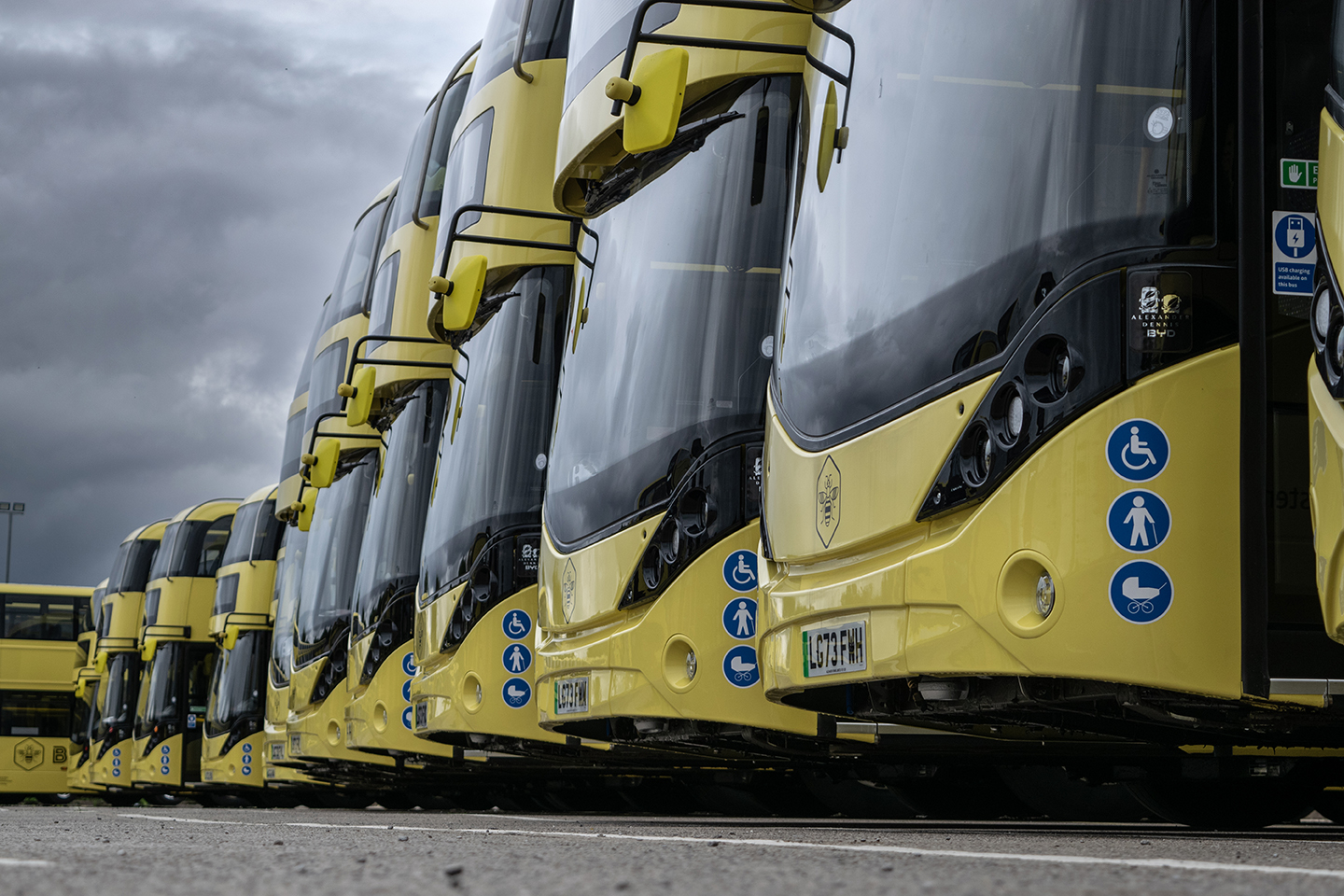
When the Bee Network was established, one of the bus industry’s reservations was that the very substantial size of the packages out for tender in Greater Manchester’s franchising competition meant it was difficult for smaller operators, including those with vast experience of running buses in the city, to compete.
CPT has provided constructive feedback to the Department for Transport, and to other local authorities, on this point and on the huge costs faced by all operators to bid for franchised contracts. On the face of it, this feedback has been accepted. Both the department and the areas that have subsequently made a decision to franchise have offered assurances that in future competitions, consideration would be given to allow SMEs a fair crack at tendering.
However, it is becoming increasingly clear that those assurances are not always standing up well once schemes reach procurement.
In both Liverpool City Region and West Yorkshire, SMEs have not been well represented in the franchise awards thus far, and the whole industry will be watching carefully as further awards are made across the country.
As momentum to re-regulate bus services gathers across elsewhere, from Liverpool to South Yorkshire to the West Midlands, there are some tricky challenges that need addressing.
Firstly, lots that are designed and sized for SMEs only mean something if they are genuinely accessible to small, independent businesses.
The volume, and cost, of bureaucracy involved in tendering needs to be proportionate. Independent operators should not need to spend big on legal and professional advice simply to bid for the right to run buses.
CPT is currently working with partners to build some off-the-shelf products – including compliance policies - that could help our SME members in this space. We also need our partners in local authorities to remove hurdles where they can, asking themselves how procurement rules can be used to stimulate the market, rather than restrict it.
Franchising doesn't have to be all or nothing. A dense urban network and the rural routes running alongside it are different animals, and they don't need to be bought the same way. Where the rules allow, direct award of smaller contracts can keep well-run local services with the operator who built it.
Another issue is time and capacity. When authorities design franchised networks, the operators who know those routes best aren't always in the room, and aren't always heard when they are. Consultations, meetings with officers and letters to local representatives all take time that's at a premium for a small operator running its own buses. That's exactly where a collective voice from CPT helps. We can take evidence from smaller operators into rooms individual operators can't reach, but only if members bring it to us. We cannot afford for all that local knowledge to be left in the depot.
The same goes for bids. Heritage matters, but authorities will rightly judge on reliability, fleet and passenger experience. The best SMEs already excel on all three. Our job, together, is to make sure every bid proves it.
People feel strongly about this with good reason. Under the Bus Services Act, if you’re an SME bus operator running commercial routes and your business becomes a contracted service within a broader franchise, you’re not entitled to any compensation. Your business, carefully built over decades, simply disappears overnight.
We will continue to engage with our members – large and small – on the changes that might be needed, nationally and locally, to secure fairness for SMEs over the coming weeks and months. So please make your views known on how we can uphold this important point of principle, and protect the valuable entrepreneurship of SME bus operators.