October 15 2026
Kathryn Pulham, President, Confederation of Passenger Transport
There has been no shortage of attention on bus fares in recent months.
The government’s focus on keeping bus travel affordable is welcome. Lower fares can help people manage the cost of living, open up access to work and education, and encourage more people to choose public transport.
And with October also marking National Coach Week, there could hardly be a better time to ask an obvious question: what about coach?
Scheduled coach is already one of the most affordable ways to travel longer distances, yet it is often overlooked in conversations about public transport policy.
CPT research found that coaches carry around 450 million passenger journeys each year in Britain. Almost two-thirds of people see coaches as a vital part of the public transport network, yet 97% said they had never heard a politician talk about coach travel.
That gap matters, particularly when we think about younger passengers.
Our research found that 18-29 year olds are the age group most likely to use coach, with one in five travelling by coach at least a few times a year. At the same time, younger people are facing growing challenges in simply getting around.
The proportion of 17-20 year olds holding a full driving licence has fallen substantially over recent decades, to around 29% in 2024. Research has also shown that transport availability and cost can prevent young people from taking up work, education and training opportunities.
The Transport to Thrive project found that 16-24 year olds make 21% fewer trips than other working-age adults, with cost and availability of transport among the biggest barriers. Young people from lower-income households are particularly affected.
Coach cannot solve every transport problem. But in many places it provides something other modes cannot.
For a student travelling between university and home, a young person seeking work outside their immediate area, or someone living in a town without a useful rail connection, scheduled coach can provide an affordable and practical link.
That is why I think there is a case for looking seriously at whether coach could be included in future government fares initiatives.
There are already useful examples elsewhere.
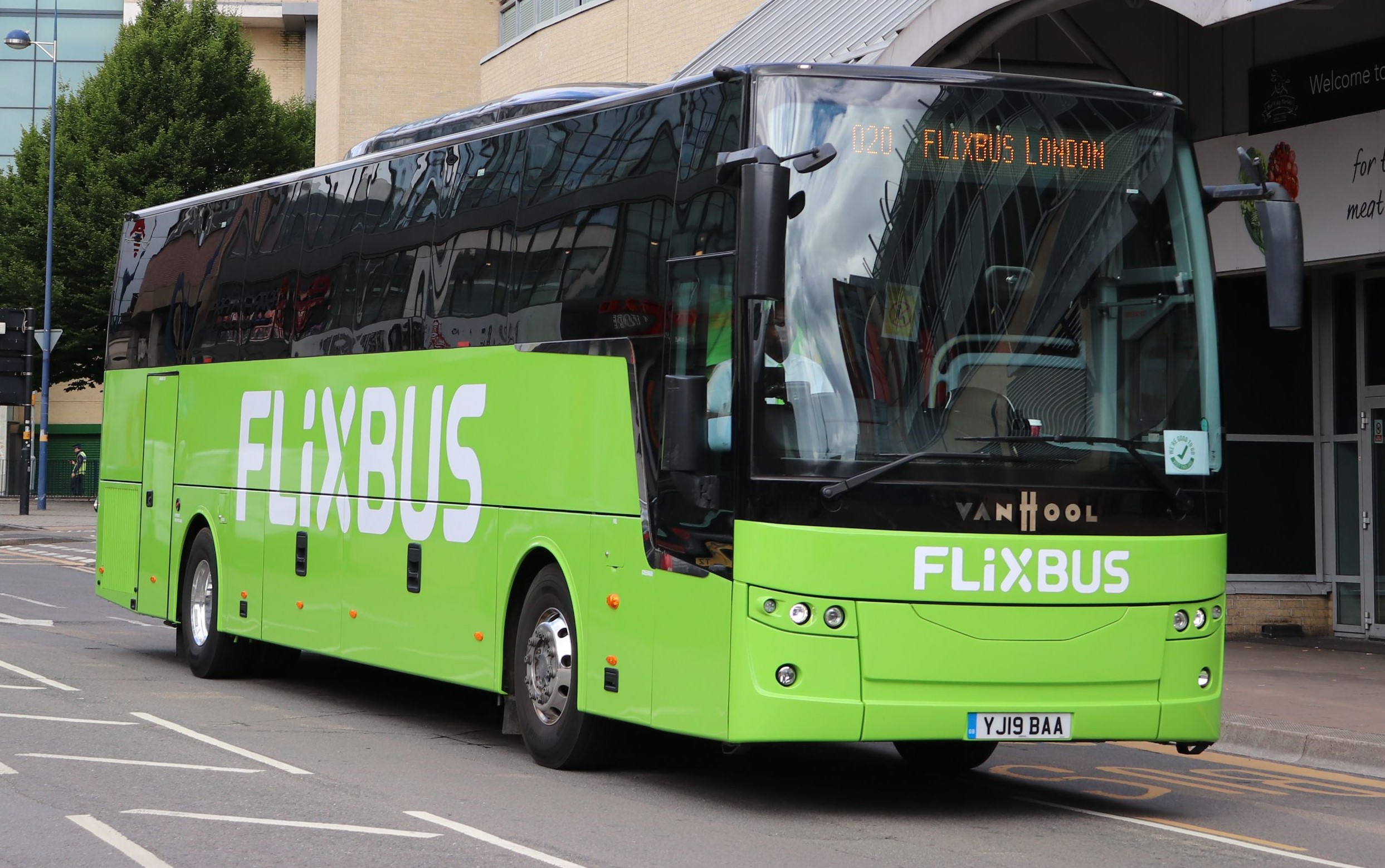
Scotland’s Under-22s scheme enables eligible young people to travel free on most bus services, including many long-distance coach journeys. Other countries have introduced subsidised youth travel covering multiple modes, with significant discounts designed to help younger people travel for work, study and leisure. In Czechia, for example, operators such as FlixBus provide half-price coach fares across the country for students aged 18 to 26.
So could we do something similar for scheduled coach in England?
One option worth exploring could be a government-backed coachcard for younger passengers. National Express already sells a commercial coachcard offering discounted travel, so the basic mechanism already exists. Government support could potentially make such a card cheaper, or even free, while giving eligible passengers a consistent discount on fares.
There are, of course, plenty of questions to answer.
What age group should qualify? How much would government need to contribute? Would the scheme generate additional journeys rather than simply subsidising trips that would have happened anyway? And could that increased demand make new or marginal routes commercially viable, particularly in places with poor rail connectivity?
Those are exactly the questions CPT and scheduled coach operators should now be exploring.
There is also an important cost-of-living dimension. Coach passengers are often choosing it because it represents good value. Yet operators themselves are facing rising costs, including fuel and staffing pressures. Without support, some of those costs inevitably feed through into fares.
A targeted fares initiative could therefore do two things at once: help keep travel affordable for passengers who need it most, while supporting operators to maintain and potentially expand services.
More fundamentally, it is worth remembering that passengers do not think about transport in the same way policymakers sometimes do.
Someone trying to get from home to university, to an interview, or to visit family is unlikely to care whether Whitehall classifies their journey as bus, coach or rail. They care whether there is a service, whether it goes where they need it to go, and whether they can afford the ticket.
National Coach Week is a chance to celebrate the huge contribution coaches already make across the country. It should also be a chance to think seriously about what more they could do.
The government is right to focus on affordable public transport.
The challenge now is to make sure coach is part of that conversation too.