November 16 2026
Graham Vidler is Chief Executive of the Confederation of Passenger Transport
It was billed as a Budget to give breathing space to businesses from rising costs. However, the Chancellor’s menu of measures last month omitted mention of a key sector – the bus and coach industry.
There was a glaring silence from John Healey on any nationwide relief for public transport operators from the soaring cost of fuel – an issue which could cost the industry as much as £438 million in 2027, according to new CPT calculations.
For anybody who needs a reminder of the importance of public transport, buses and coaches account for 12 million journeys a day. Bus passengers account for £1 out of every £10 spent on the high street. And coaches deliver 600,000 children to school every morning.
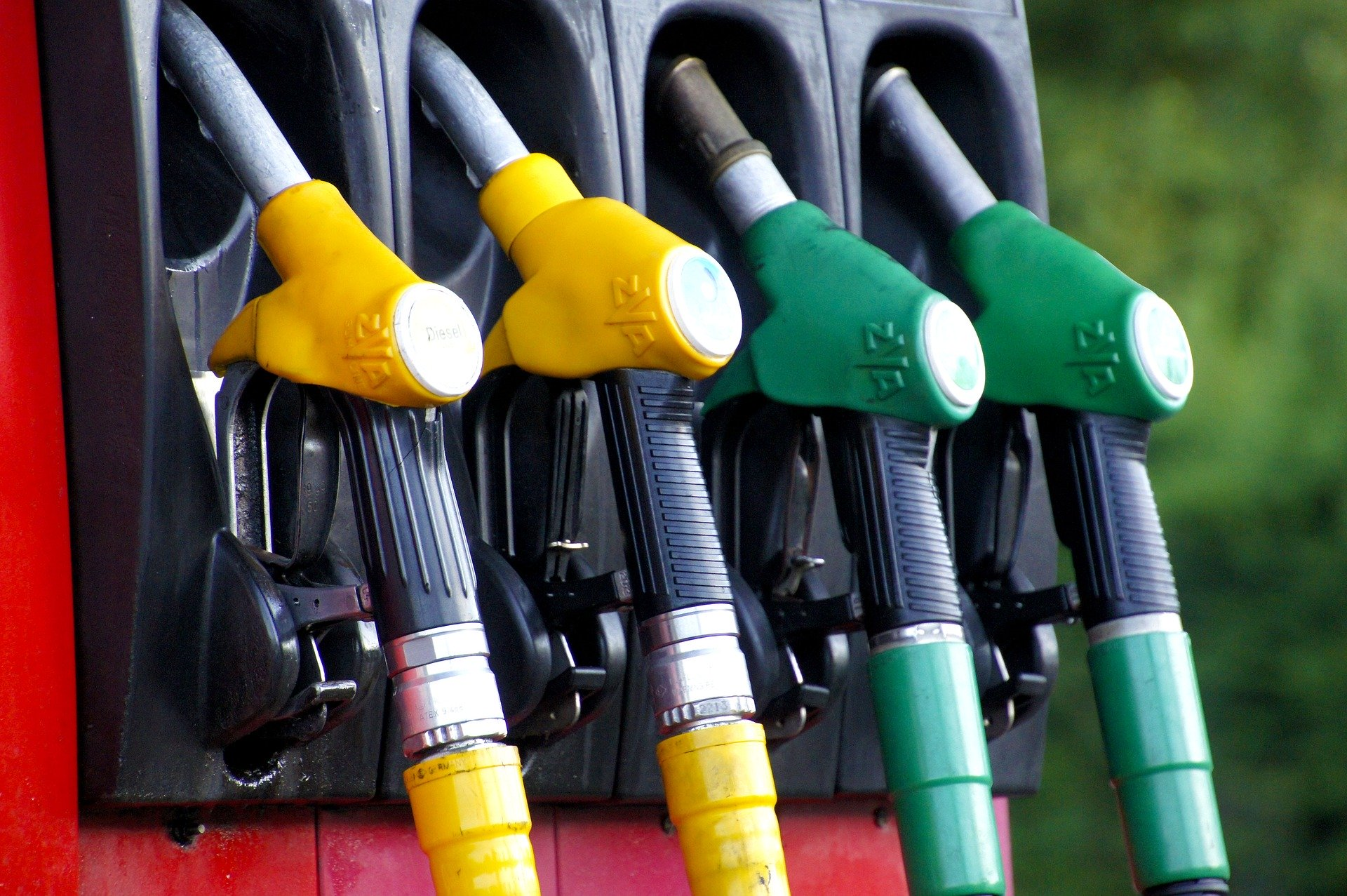
Diesel has increased in price by 50% since the conflict in Iran began in February, making hundreds of contracts – not least home-to-school services – unprofitable and unviable. Rising bills have gone from a temporary concern to an urgent threat to the future of hundreds of operators.
Fuel is the second biggest cost in running a bus or coach, behind the cost of paying the driver’s wages. For coach operators, it typically accounts for around a third of overall bills.
Although a proportion of buses in the UK are battery powered, a majority remain dependent on filling up with diesel. And the extra cost, for the UK’s fleet of buses and coaches, is racking up at a rate of £8 million per week.
The UK has responded with a patchwork of measures. In England, the Government provided a £30 million top-up to the Bus Services Operator Grant, along with a £30 million one-off uplift in the Local Authority Bus Grant to address increased costs in the bus sector. But the money has been slow to get through to operators – and coach businesses have generally been ineligible. The rising cost of fuel has long exceeded the size of this package.
Scotland has provided £6.2 million via a top-up in the Network Support Grant – although this ended in October, and the industry hopes to see provision for further funding in the upcoming Scottish budget. Again, coach services are ineligible. Wales, belatedly, followed in November with a £7 million package of support for bus and coach.
The UK Government has also paused a planned increase in fuel duty for all road users. But all this does is avoid adding to the burden, rather than providing any further relief.
Some might assume that public transport operators can simply absorb extra cost, or that they can pass on the impact to customers. They would be mistaken. For most bus operators in England, fares are capped at £3, dropping to £2 in January. Together with young peoples’ fare schemes and concessionary schemes in parts of Britain, this limits room to change prices.
Meanwhile, the vast majority of coach operators are small or medium sized businesses, and 85% are in family ownership. These are companies which have already had to deal with rising employment costs, including last year’s hike in National Insurance, and with a shortage of drivers.
In a CPT survey last month, 41% of Coach UK members (part of CPT) said that without relief, they would be looking at cutting back operations at the end of the year.
The position may, indeed, get worse, if the conflict in Iran endures and the Strait of Hormuz remains disrupted. The Office for Budget Responsibility has published a ‘shock scenario’ in which it envisages crude oil prices peaking at $115 a barrel in the first half of 2027 – an increase of 26% on present levels. That would quickly translate into even higher prices at the pump.
The UK’s patchwork of measures have been, quite simply, too modest. A look at other countries around the world indicates that we are an outlier – and that governments elsewhere have been bolder, and more proactive, in supporting bus and coach.
Ireland, for example, has delivered a multi-layered package explicitly to protect passenger operators, including a cut in excise duty, targeted support for SMEs and a €120 million Road Transporters Support Scheme for haulage and public transport.
In France, passenger transport operators can reclaim 13 to 15 cents per litre in fuel excise tax, while Germany and Spain have enacted large scale cuts in fuel tax. In the Philippines, the country has declared a national energy emergency and deployed direct government fuel subsidy payments to buses and minibuses.
There is a need for the UK Government to be much bolder. Coach UK has called for an emergency diesel rebate of 20p per litre for coach operators, which would cost £52 million over a year – a modest sum in comparison, for example, to the £11.9 billion a year spent subsidising the national rail network.
What is clear is that this problem is here to stay. It is time for ministers to engage with the bus and coach sector about longer term solutions, rather than temporary fixes. Operators need visibility to be able to plan ahead, to invest in new vehicles and jobs and to support the daily journeys which so many of us depend on.