November 26 2026
This World Sustainable Transport Day, Graham Vidler, Chief Executive of the Confederation of Passenger Transport, reflects on the role the bus can play in tackling climate change - with the right operating conditions in place.
After two weeks of negotiations in Türkiye, the COP31 climate summit ended on Sunday without an overarching agreement. It was a disappointing outcome and a reminder of just how difficult it can be to secure international consensus on tackling climate change.
But while progress on the global stage may be frustratingly slow, there are practical steps we can take much closer to home.
Today, on World Sustainable Transport Day, it is worth reflecting on the contribution that one of our most familiar forms of transport can make to tackling some of our biggest environmental challenges: the humble bus.
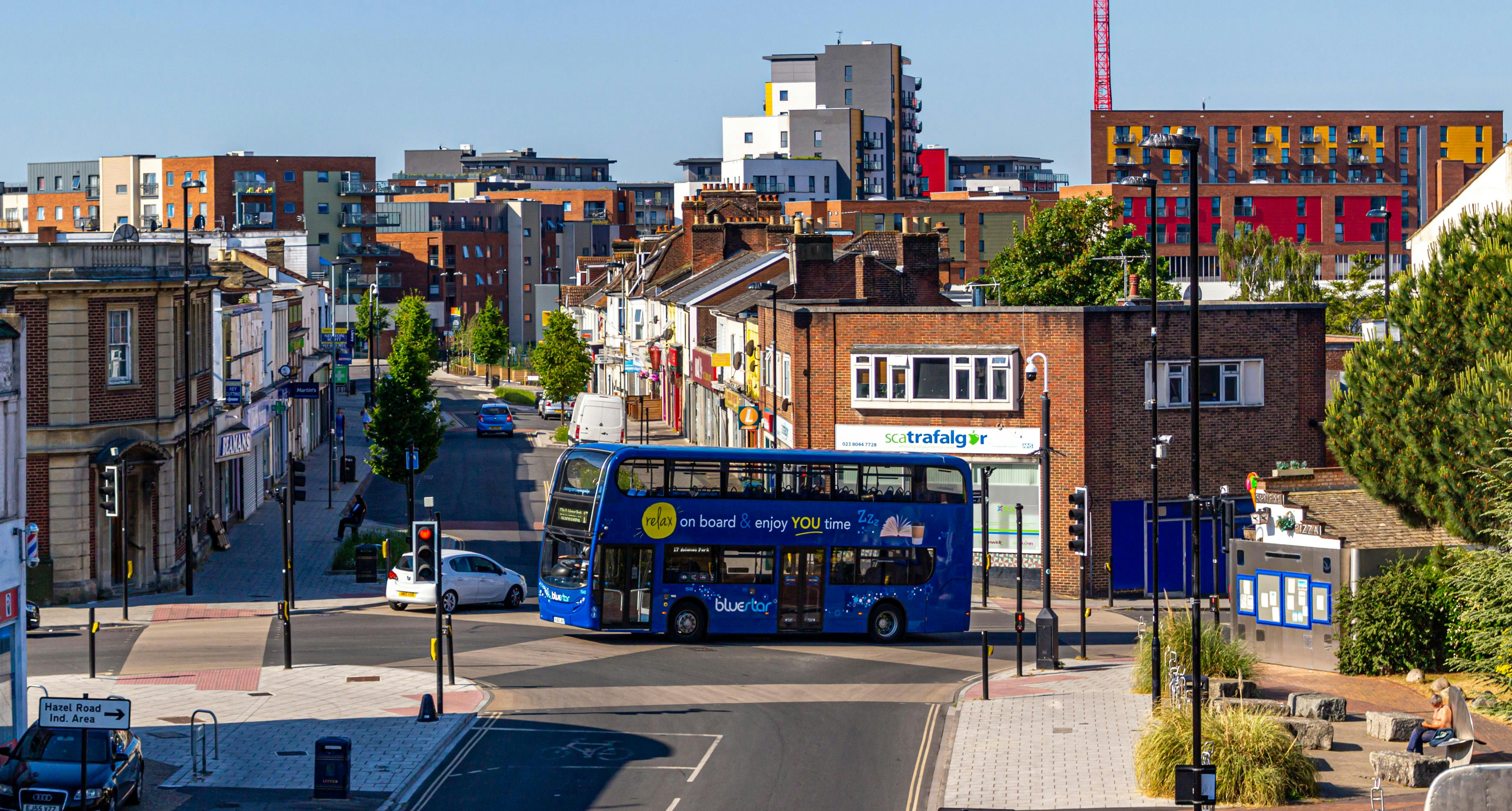
Every day, 11 million journeys are made by bus across Britain. These journeys are not only connecting people to jobs, education, friends and family, but helping to reduce congestion, cut carbon emissions and improve the quality of the air we breathe. A single full double-decker bus can take up to 75 cars off our roads.
And buses are getting greener all the time. Figures published by the Department for Transport earlier this week show that 18% of England's local bus fleet is now zero-emission. This is testament to the significant investment being made by operators across the country.
But the debate around sustainable transport can sometimes focus too heavily on what powers our vehicles, rather than how we use them.
Replacing every petrol and diesel car in Britain with an electric one would do little to solve the problem of congestion. Nor would it address the cost of car ownership or the challenges faced by those who cannot drive.
Getting more people travelling together must be a central part of our approach.
That does not mean asking everyone to give up their cars. Whether it's taking the bus to work once a week or catching a bus into town at the weekend, relatively small changes to our everyday travel habits can have a significant collective impact.
Coaches have an important role to play here too. With 450 million passenger journeys made by coach each year, they already provide a sustainable and affordable alternative to the car for everything from school trips and holidays to intercity travel.
Of course, we cannot simply ask people to change their travel habits without making it easier for them to do so. People need to know that the bus will turn up on time, get them where they need to be and offer good value for money.
Earlier this year, research commissioned by CPT found that increasing bus speeds in England by just 10% could generate an additional 147 million passenger journeys annually and unlock enough capital to invest in 1,600 zero-emission buses.
More bus lanes, priority at traffic lights and better coordination of roadworks are not particularly glamorous policy interventions. But their impact could be transformational.
We must also protect the services we already have. At a time when soaring fuel prices are putting enormous pressure on bus and coach operators, there is little sense in allowing some of our most sustainable forms of transport to become less financially viable. Losing services risks pushing people back into their cars and undoing much of the environmental progress we have made.
What is also missing is clear national leadership. The Government's Better Connected transport strategy, published in April, fell short of setting a national target for modal shift, despite a commitment made in opposition to do so.
As Campaign for Better Transport and others across the sector have argued, we need a clear, measurable ambition to increase the proportion of journeys made by public transport and other sustainable modes. Local leaders have a crucial role to play in delivering this, but devolution must not become a substitute for national leadership. Without a clear national target, it is difficult to hold ourselves to account for the progress we are making.
International climate agreements are hugely important, but progress towards our environmental goals will also depend on millions of decisions made every day, by individuals, businesses and governments alike.
This World Sustainable Transport Day, I would encourage everyone to think about the journeys they make and whether some of them could be made differently.
Tackling climate change can sometimes feel like an overwhelming task. But making a contribution can be as simple as catching the bus.