August 13 2026
CPT has today welcomed updated guidelines in Scotland that call for bus users to be given proper consideration when streets are dug up.
A Code of Practice for the Co-ordination of Works in Roads, published by the Scottish Government, requires local authorities and utilities to consult bus operators ‘as early as possible’ in planning roadworks.
It calls on councils and roads authorities to invite bus operators to co-ordination meetings, enables bus companies to get early access to the roadworks register and stipulates that bus companies should be notified about traffic management measures in good time – to minimise disruption to routes and journeys.
The code follows longstanding demands from CPT for action over poorly co-ordinated roadworks – in Scotland and across Great Britain.
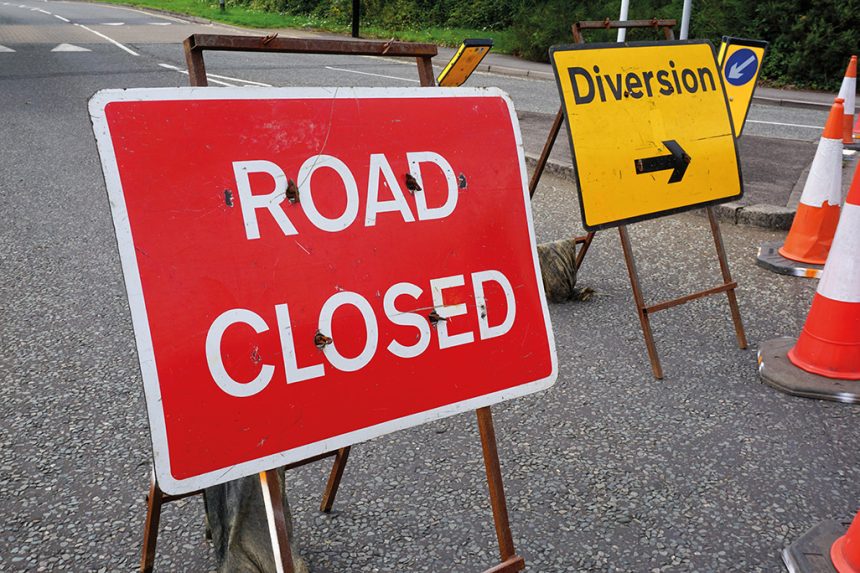
Roadworks by utilities or by local authorities are supposed to be planned well in advance. However, ‘emergency’ closures at short notice frequently leave bus companies with little time to organise diversions, adjust timetables or to communicate with passengers.
Delays and cancellations from roadworks have contributed to a 20% increase in the cost of running a bus per kilometre since 2019 across Britain, outside London, according to CPT’s Cost Monitor bulletin, while average bus speeds have fallen to just 11.3 miles per hour.
Paul White, CPT Scotland Director, said: “These new guidelines are a win for the bus industry. They set out, clearly and simply, the need to consult and co-ordinate with bus operators before digging up streets.
“There are few things more frustrating for bus users than unexpected lengthy diversions, or temporary traffic lights causing endless traffic jams. Everybody accepts that roadworks are necessary but there are ways to manage them more effectively and it’s time bus passengers were treated with more consideration.
“CPT would welcome similar guidelines for roadworks in England and Wales.”
Common problems identified by bus operators include lack of advance notice of roadworks on bus routes, unreliable start and end dates for works that may allocate several days of road closure to work that only takes a few hours, and temporary traffic lights and lane closures that fail to prioritise public transport and remain in place for days after works have concluded.
CPT has called for stronger enforcement of over-runs and for utility companies to fund alternative solutions – such as temporary shuttles – when sections of a bus route cannot be served. The bus industry has also proposed providing priority passage through work zones for buses and coaches – via escorts where feasible.